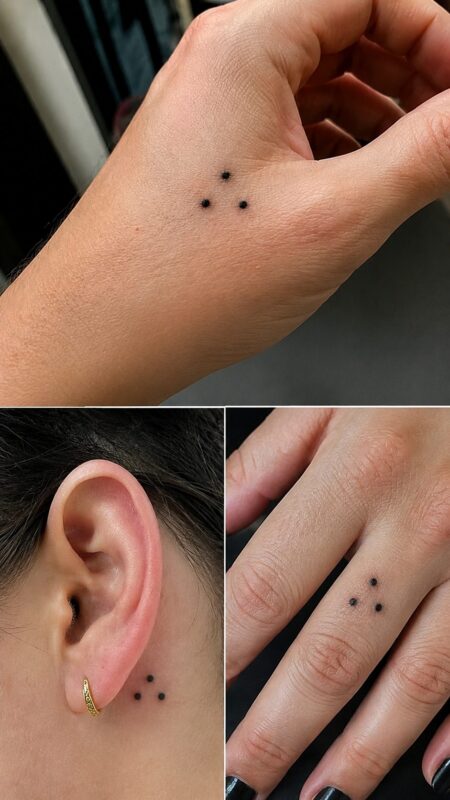
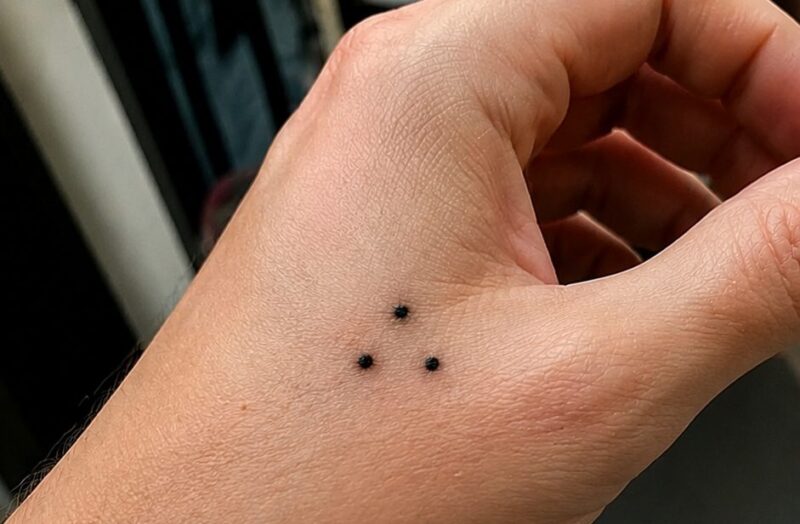
If You See Someone With a Three-Dot Tattoo, You May Want to Think Twice
The Tear Tattoo
The tear tattoo is one of the most recognizable symbols associated with prison culture, yet its meaning can vary depending on the individual and the circumstances.
In many cases, a tear tattooed beneath the eye is believed to represent a lengthy prison sentence or involvement in a serious violent crime.
For some inmates, the symbol reflects grief, loss, or mourning for someone who has died.
The tattoo may also indicate that the wearer has attempted to take a life or is seeking revenge for the death of a friend, relative, or fellow prisoner.
According to common prison interpretations, a filled-in tear often suggests that the individual has already carried out an act of violence.
In some prison cultures, additional tears may be added to represent further offenses.
An unfilled tear can symbolize unfinished business or a desire for revenge.
It may represent a personal vow that remains unresolved until the individual believes justice—or retaliation—has been achieved.
Over the years, the tear tattoo has also been adopted by rappers, entertainers, and public figures, often as a symbol of toughness, struggle, or rebellion, regardless of any connection to prison life.
ACAB
Another well-known prison-related tattoo is the acronym ACAB, which stands for:
“All Cops Are Bastards.”
Originating in Britain, the phrase became popular among certain criminal groups, prison populations, and anti-authority movements before spreading internationally.
The Clock Without Hands
A clock with no hands is another powerful prison symbol.
This tattoo typically represents long periods of incarceration and is often associated with inmates serving life sentences or extremely lengthy prison terms.
Without hands, the clock suggests that time has stopped. Days, months, and years lose their meaning, creating the feeling that life is standing still behind prison walls.
The design is commonly found among prisoners who no longer count the passing days because their release date is uncertain—or may never come.
The clock can appear in several forms, including:
A pocket watch
A wall clock
A wristwatch without a strap
Any timepiece shown without hands
Regardless of the design, the message remains similar: time has become irrelevant.
The History and Meaning of Tattoos
Since ancient times, tattoos have served as a powerful form of personal and social expression.
Like tribal markings, they have often been used to signify belonging to a group, community, or culture.
At the same time, tattoos have long been appreciated as body art by people from every social background.
Beyond their aesthetic appeal, tattoos can communicate identity, beliefs, experiences, and personal history.
They appear on city streets, in sports arenas, on music stages, and within prison walls. They can symbolize rebellion, individuality, achievement, loyalty, or defiance.
Today, tattoos are widely accepted in many societies. However, this was not always the case. In earlier decades, tattooing was often associated with marginalized groups, outcasts, bikers, punks, and prison populations.
Inside prisons, tattoos developed an even deeper significance.
What Do Prison Tattoos Really Mean?
Among inmates, certain tattoos carry highly specific meanings that may be understood only by those familiar with prison culture.
Some indicate membership in a group or gang. Others reveal aspects of a person’s criminal background, prison history, or social status behind bars.
To those who can interpret them, these tattoos function almost like a coded biography.
They may communicate information about:
Years spent in prison
Criminal history
Personal beliefs
Gang affiliation
Reputation among other inmates
As Jérôme Pierre, co-author of the prison tattoo book Bad Boys alongside Eric Guyon, explained in an interview with Mediapart:
“At first glance, these tattoos may seem like ordinary decorative markings. But to those who understand their meaning, they serve as a true identity card.”
In this article, we examine several tattoos that have been studied by criminal-group specialists and correctional professionals.
Far from being simple body art, many of these symbols carry specific—and sometimes unsettling—messages that reveal far more than most people realize.