Sharon Stone reveals she was «destitute with a 1% chance of surviving» after her stroke, but she says, «I made it, and you can too.»
Sharon Stone, known for her role in *Casino*, is reflecting on her journey of survival after suffering a near-fatal stroke and brain hemorrhage in 2001, an ordeal that left her with only a 1% chance of survival.

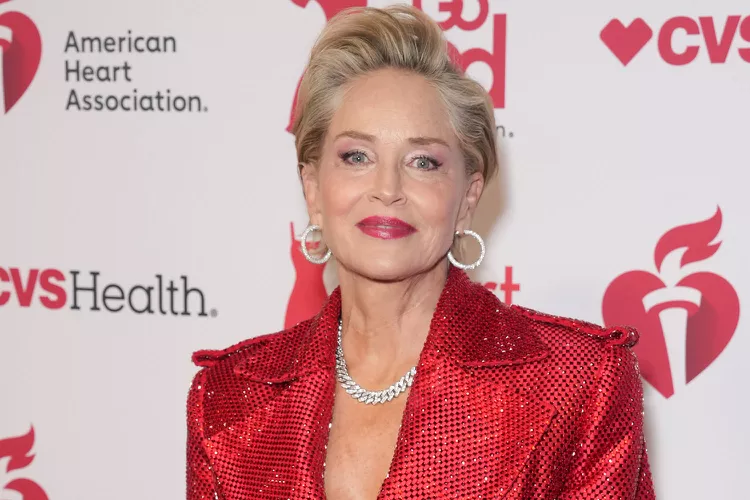
«I walked out of that hospital, 18% of my body mass gone, dragging my right foot, unable to write my name,» Stone, 66, shared exclusively while hosting the American Heart Association’s Red Dress Collection Concert on January 30.
Despite enduring severe physical and mental challenges, including memory loss, Stone remains a powerful symbol of perseverance.
«I’m right here hosting this event in five-inch heels. I made it, and you can too,» she says.
After a ruptured vertebral artery bled into her brain for nine days, she recalls a lack of available rehabilitation programs that could have aided her recovery.
“There was nothing to help me walk again or stop my stuttering,” Stone explained.
She also revealed the struggle of dealing with insufficient insurance coverage and no support programs, expressing concern that the situation might be even worse today.

On top of her health battle, Stone faced personal challenges, including a divorce from her husband, Phil Bronstein, during her recovery.
Now, Stone is urging others to fight through adversity and seek help immediately if they experience stroke symptoms. «You don’t have time to wait. Call an ambulance, don’t hesitate,» she warns.
Sharon Stone wants to inspire others by sharing her story of survival against the odds. “Look at me — I had nothing left, no money, no career,” she says, reflecting on her 1% survival chance.
She urges people to recognize stroke symptoms and act fast. “If your face droops, you feel numbness, or your speech changes, call 911 immediately,” she advises.
Stone stresses the importance of not seeking advice in critical moments. “Don’t ask anyone, just call 911,” she recalls.
“I made the mistake of calling people, but they hung up on me. I was alone for three days.” She adds, “Get help right away, even if you have to walk into traffic. Don’t hesitate.”