She fainted? She’ll live. Our flight with your sister leaves at six,” Dad said, and they went.
I spent nine days in the cardiac ward alone after collapsing on my parents’ kitchen floor.
My heart had slipped into a dangerous rhythm, and doctors had to shock it back.
While I was being rushed to the hospital, my parents and younger sister Camille boarded their flight for her engagement celebration.
For thirty-four years, my family had called me sensitive and dramatic.
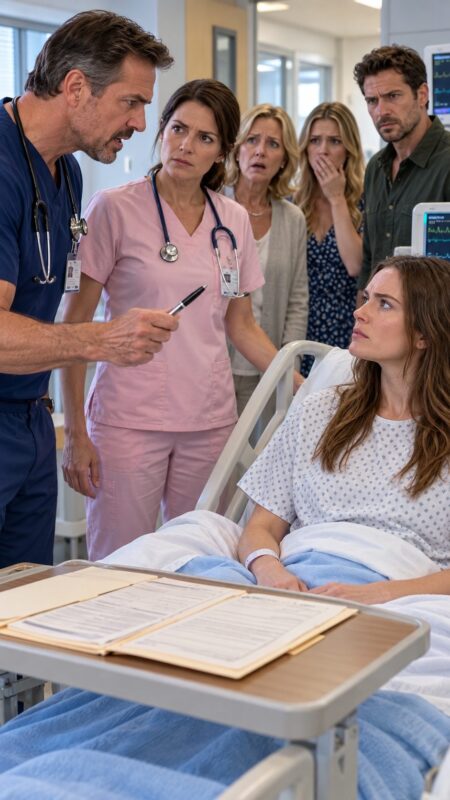
I had fainted since childhood, but they insisted I wanted attention.
Even from the hospital, their messages focused on Camille’s gala instead of asking what doctors had found.
Then Dr. Lindren, an electrophysiologist, reviewed my old records.
At age nine, a cardiologist had discovered a dangerously prolonged QT interval—a real heart condition that explained every collapse.
He had recommended medication, monitoring, and possibly an implanted device.
But my medical record simply stopped.
The hospital requested the original pediatric file.
Meanwhile, registration discovered an advanced medical directive I had signed six years earlier.
It named my estranged older brother, Reed, as my healthcare agent.
Reed had been pushed out of our family after confronting our parents about how they treated us.
Years earlier, during another emergency, he had been the only person who answered my call. I had named him as the person authorized to make decisions if I couldn’t.
I called him.
He reached the hospital ninety minutes later.
“You called,” he said, taking the chair beside my bed.
He stayed.
When my pediatric records finally arrived, the truth was worse than I expected.
The cardiologist had clearly documented my condition and recommended treatment. But there was also a refusal form signed by both my parents.
My mother had added:
“Family declines. Child is well. We don’t want her labeled.”
They had known.
For twenty-five years, they had known my fainting wasn’t imaginary, yet they allowed me to believe I was dramatic.
A hospital social worker explained that Reed’s medical power of attorney remained valid.
My parents had no authority over my treatment.
I formally barred them from receiving my medical information, and the hospital opened a protective-services review.
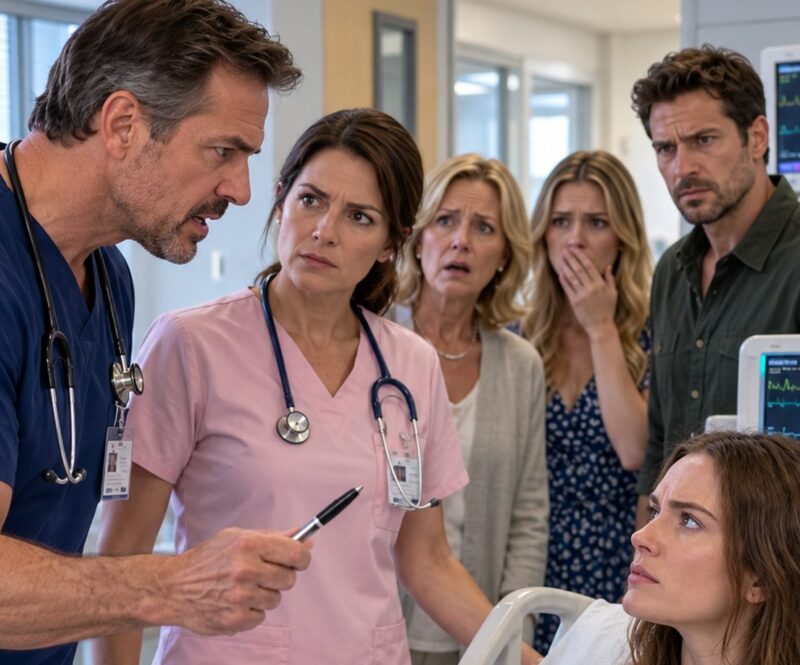
Still unaware, my father texted that they were returning and would come straight to the hospital to “sign me out.”
On the ninth day, they arrived tanned from their trip, my father carrying a pen.
The head nurse, Ruth, stopped them.
“There’s nothing for you to sign.”
“We’re her parents,” Dad replied.
“That doesn’t give you authority here.”
Then Reed stood from the chair.
My father’s confidence disappeared.
Dr. Lindren placed the old manila folder before them and showed them the ECG, the cardiologist’s recommendations, and finally their signatures.
She read my mother’s handwritten note aloud.
My father became furious. He insisted they had made the best decision they could and argued that I was alive, so what harm had really been done?
That was when I finally spoke.
“You keep saying, ‘She’ll live.’ You said it while I was on your kitchen floor. You’ve been saying it my whole life.”
I looked directly at him.
“And you were right. I lived. I always lived alone. ‘She’ll live’ was never care. It was permission to leave.”
Camille began crying. She admitted she had believed our parents when they said my collapses were attempts to get attention.
For a moment, she stepped toward me.
Then my mother called her name.
Camille stepped back toward them.
She apologized, but she still left.
Security escorted my parents from the unit.
They had arrived expecting to take control of me again and left without the authority to make a single decision about my life.
Eleven days after my collapse, doctors implanted a defibrillator beneath my collarbone.
If my heart ever enters that dangerous rhythm again, the device can save me.
Reed drove me home.
He still answers when I call.
Camille later messaged that she was sorry she had stepped back.
I believe she regrets it, but apologizing from a safe distance isn’t the same as staying.
My family spent my entire life saying I would survive as though surviving alone were the same as being loved.
It isn’t.
Nine days in that hospital finally taught me the difference between people who share your blood and people who actually show up.
The chair beside my bed was empty for years.
Now I know who belongs in it.