For eighteen years, I convinced myself that keeping my daughter’s twin sister a secret was an act of love.
Then, on Hannah’s eighteenth birthday, my husband David placed a wooden box in front of her and forced me to face the truth I had avoided for nearly two decades.
Hannah had been born with a twin sister named Rosie.
Rosie was eleven minutes younger. She was quieter than Hannah, with dark hair and a tiny crease beside her left eye.
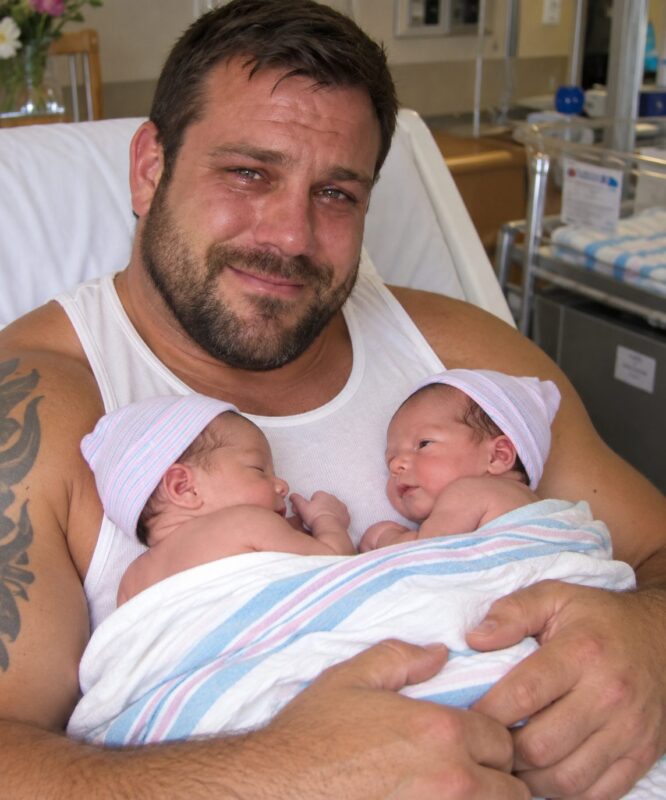
Nine days after she was born, Rosie died from SIDS.
There had been no warning and no one to blame.
David and I were twenty-seven and had no idea how to grieve together. While he arranged the funeral, I dismantled Rosie’s crib because I couldn’t bear to see it.
But Hannah was still there, needing to be fed, held, and loved.
Somewhere inside our grief, we decided she didn’t need to know about Rosie.
At first, it seemed reasonable. Hannah was only a baby. Then she was three, five, seven.
David occasionally suggested telling her.
“She deserves to know.”
But I always found a reason to wait. When Hannah struggled socially at twelve, I said it wasn’t the right time. At fifteen, she was anxious about grades.
At sixteen, she suffered her first breakup. At seventeen, she was applying to colleges.
There was always another excuse.
Everyone in our family knew about Rosie, but nobody mentioned her around Hannah. Photographs disappeared. Relatives learned to avoid her name.
I called it protection.
Then Hannah turned eighteen.
We held a large birthday party. After she opened her presents, David suddenly asked everyone to give us some privacy.
Immediately, I knew.
“Today is the day,” he told me.
He disappeared into the garage and returned carrying a handmade wooden chest I had never seen before.
He placed it before Hannah.
“There’s something we should have told you a long time ago,” he said. “You weren’t born alone.”
Hannah stared at him.
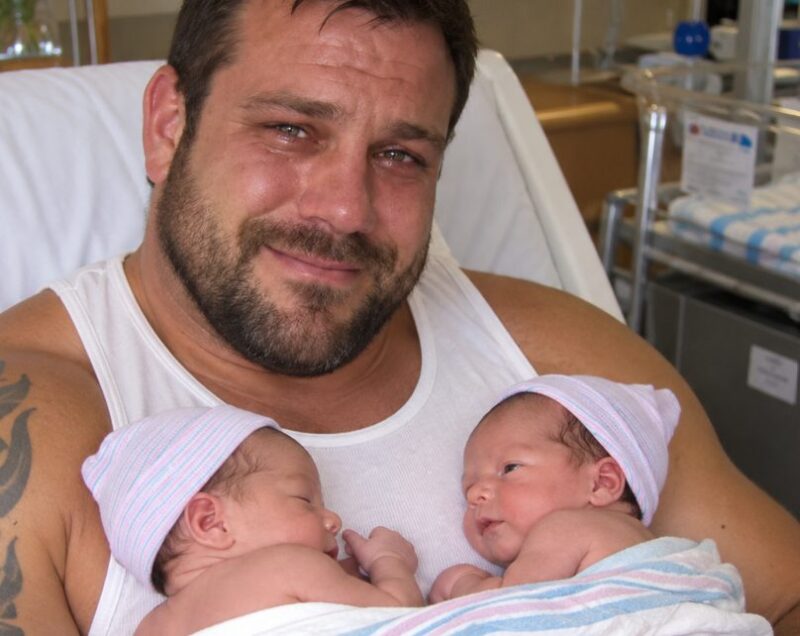
“You had a twin sister. Her name was Rosie. She died nine days after we brought you home.”
Hannah didn’t cry.
Instead, she asked, “Does everyone know?”
David nodded.
When she realized her grandparents, aunts, and uncles had all known, shock turned into betrayal.
“You all kept this from me?”
“We thought we were protecting you,” I said.
“Protecting me from what?”
“From feeling guilty for being alive.”
She stared at me. “So you decided how I would feel before I even knew?”
Then David opened the chest.
Inside were two hospital bracelets, newborn hats, a tiny blanket, photographs of both girls, Rosie’s birth and death certificates, sympathy cards, and a stack of envelopes.
David had written Hannah a letter every birthday, telling her about Rosie and everything we had been too afraid to say aloud.
“You wrote me letters about the twin sister you refused to tell me existed?”
“Yes.”
Hannah stood.
“You lied to me for eighteen years.”
She left and spent the night at my sister’s house.
The next morning, I asked David why he had hidden the chest from me.
“Because you would have gotten rid of it,” he said.
I wanted to deny it, but he reminded me how quickly I had dismantled Rosie’s crib and removed photographs.
Looking through the box, I finally understood how completely I had tried to erase my own grief.
Hannah returned two days later and took the chest upstairs. For three days, she read David’s letters.
On the fourth evening, she came downstairs.
“I don’t feel guilty that I lived,” she said.
I stared at her.
“I’m sad Rosie died. I feel strange knowing I had a twin. But I don’t feel guilty.”
Then she said the words that broke me.
“I’m angry that you decided I would.”
She was right.
“I should have known her name,” Hannah said. “I should have had photographs. I should have understood why Grandma sometimes cried on my birthday.”
“We never wanted to hurt you,” David said.
“I know. But you did.”
A week later, Hannah asked to visit Rosie’s grave.
We went together.
At the cemetery, Hannah touched the small headstone.
“Hi,” she whispered.
All three of us cried.
Before leaving, Hannah placed one of David’s letters beneath the flowers.
“I don’t want Rosie forgotten,” she said. “I don’t want everyone pretending she never existed anymore.”
“We won’t,” I promised.
For eighteen years, I believed silence protected Hannah from grief.
It didn’t.
It only delayed the grief and added betrayal to it.
Rosie’s photograph is now back on my mother’s wall. There are two babies in it.
There always were.
After eighteen years, we can finally look at both of them, say both names, remember both daughters—and admit that Rosie was here.