The Promise He Made When We Were Children
I was eight when I realized kindness was not given equally.
My younger sister, Lily, had Down syndrome, and people often underestimated or mocked her.
I always defended her, and so did my best friend, Noah.
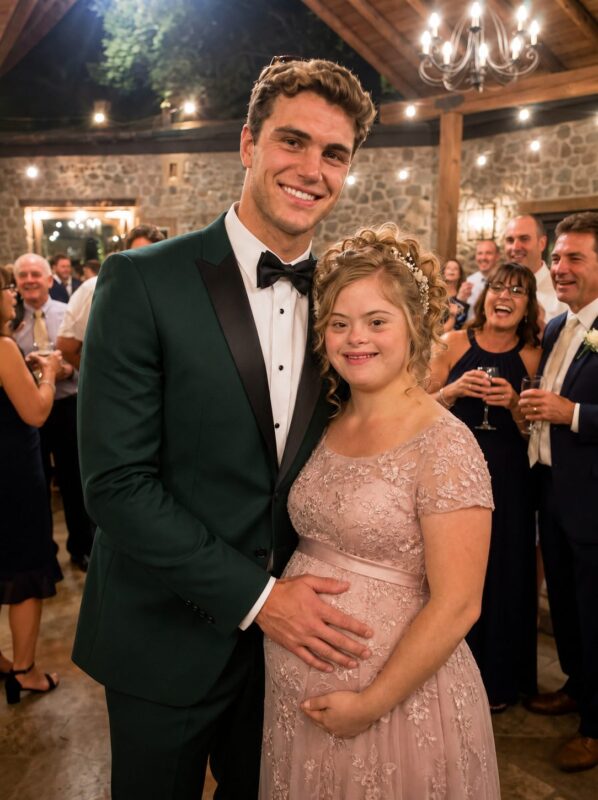
Noah treated Lily like everyone else.
He included her in games, waited patiently when she needed time, and confronted anyone who laughed at her.
One day, after two boys claimed nobody would ever invite her to a dance, Noah made Lily a promise.
“When we reach high school, I’ll take you to prom.”
Years later, he kept his word.
Lily wore a pale blue dress, and Noah arrived with a corsage.
I assumed he was simply being loyal and kind. I didn’t realize his feelings had become deeper.
By then, I had secretly imagined marrying Noah myself.
He was my closest friend, and our families were inseparable.
So when he came to our house at twenty-three carrying a ring box, I thought he had finally come for me.
Instead, he asked, “Is Lily home?”
Through the kitchen window, I watched him propose to her. Lily tearfully accepted.
Although heartbroken, I became her maid of honor.
Their wedding was small, and Noah cried when Lily walked down the aisle.
They later bought a yellow cottage and built an ordinary but joyful life together.
Eventually, my jealousy disappeared, and I accepted Noah as my brother.
Then Lily announced she was expecting twin girls.
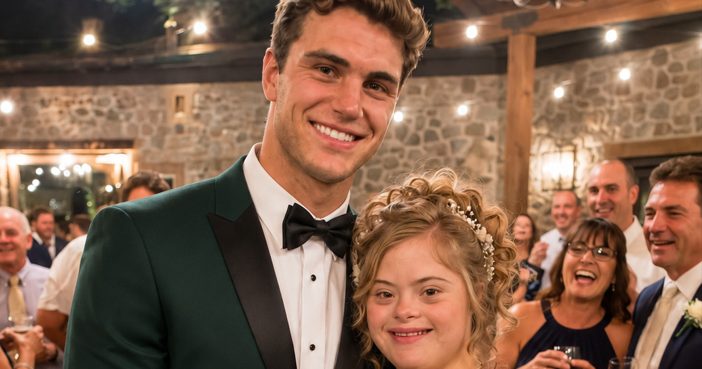
Her pregnancy became complicated, and at thirty-four weeks, she was rushed into surgery.
The babies were delivered safely, but Lily remained in critical condition.
While we waited, Noah pulled me into an empty hallway.
“Before surgery, Lily made me promise to tell you why I really married her.”
He handed me a contract bearing my parents’ signatures. It showed that they had offered him large payments to marry Lily.
Furious, I accused him of selling himself. Noah explained that he had never spent the money.
Every payment had gone into an account for Lily.
Then he revealed the full truth.
My parents had planned to place Lily in a residential facility.
They believed I deserved my own life and shouldn’t be responsible for her.
If Noah became her husband and assumed responsibility for her daily care, they would abandon the plan.
Noah had already intended to propose, but he signed the agreement because he feared my parents would send Lily away before they could stop them.
During their first year of marriage, Noah confessed everything to Lily.
She demanded to see every bank statement, then asked whether he would have married her without the money.
“Yes,” he told her.
“Then I still choose you,” Lily replied.
She kept the truth from me because she knew I would declare war on our parents.
However, before surgery, she made Noah promise to tell me if she didn’t survive.
Moments later, the doctor announced that Lily was stable. Both babies were also doing well.
When my parents arrived, I confronted them with the contract.
They claimed they had only been planning for Lily’s future, but I accused them of treating her like a problem instead of allowing her to control her own life.
A nurse then announced that Lily was awake and asking for her husband and sister—not her parents.
Inside her room, Lily lay beside her two daughters, Grace and Emma.
She confirmed that Noah had honored her wishes and jokingly complained that he had probably explained everything badly.
In the following weeks, my parents lost control of Lily’s financial arrangements.
An aunt Lily trusted took over, and Lily became more involved in every decision affecting her future.
Our parents were not completely excluded, but they had to earn back the family’s trust.
Months later, as Lily and Noah held their twins during a family celebration, I finally understood the lesson.
Noah had not given Lily a life. They had built one together.
For years, I believed Lily needed me to stand in front of her as her protector.
But she was no longer a child. She needed the people who loved her to stand beside her while she chose her own future.