There are moments in life that quietly change you forever.
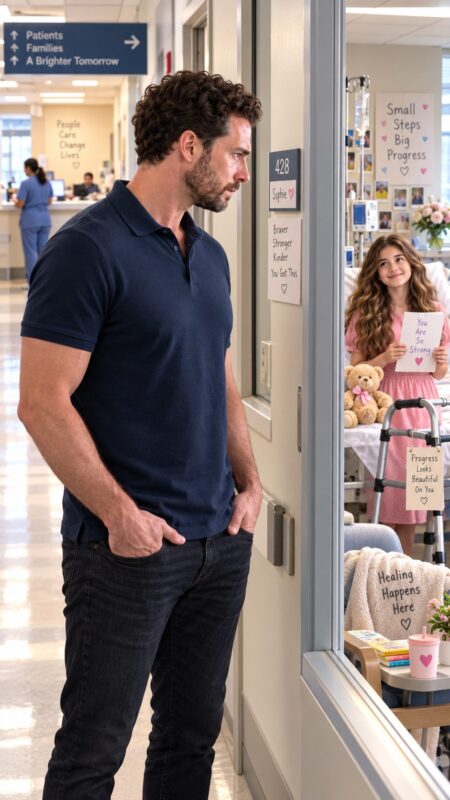
For me, it happened during the thirteen-hour spinal surgery of my fourteen-year-old daughter, Lily.
I’m Jordan, a thirty-eight-year-old project manager and single father.
Lily has always been the center of my life. She is thoughtful, intelligent, and kind, despite growing up around relatives who never truly valued her.
For years, I kept telling myself that my parents and younger brother, Austin, were still family.
They rarely supported me when Lily was born, but whenever they needed money, help, planning, or
someone to solve a problem, they called me. I paid for emergencies, organized events, loaned money, and kept forgiving them.
Then Lily was diagnosed with a rare spinal condition.
Without surgery, she could eventually lose the ability to walk. I told my family everything, including the date of the operation.
I expected them to show up.
They didn’t.
I sat alone in the hospital for thirteen hours. No calls. No messages.
Not even a simple text asking whether Lily was okay. Three days later, my father finally contacted me, but not about her.
He asked me to contribute $3,500 toward Austin’s engagement celebration in the Bahamas.
That message changed everything.
I realized that when they needed me, I was family. When I needed them, I was alone.
The next morning, I sent my father one cent with the note, “Put it toward his future.”
Then I canceled every financial benefit they had through me—streaming services, memberships, cards, passwords, and emergency funds.
Mom called repeatedly, furious that they had lost access to things I paid for. She dismissed Lily’s surgery as an “oversight” and accused me of being dramatic.
Austin later came to my house, not to apologize, but to complain about his canceled gym membership and closed credit card.
He even asked if I could help pay for the open bar at his party.
I told him to leave and not return unless he was ready to apologize to Lily.
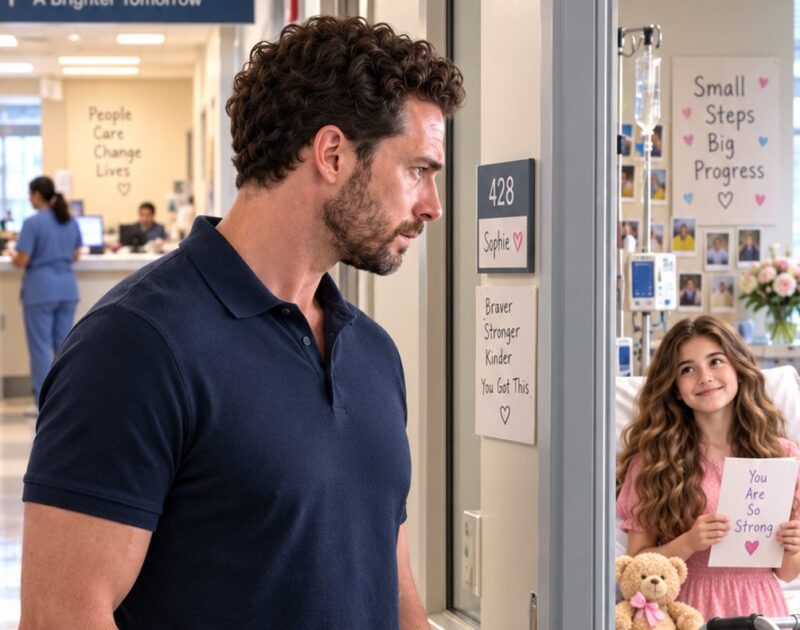
While Lily slowly learned to walk again, I finally stopped chasing people who had never truly cared.
A photo from the Bahamas showed my family smiling together beneath the caption, “Surrounded by all the people who matter most.” That ended any remaining doubt.
Life was still difficult. Medical bills grew, I was exhausted, and work suffered.
But a client named Diane noticed and offered support. Soon, side projects began coming my way.
I reopened an old business idea and created True North Projects, a renovation and project-management company focused on small businesses and nonprofits.
The company grew steadily, and Lily became my biggest supporter.
Then a bridesmaid named Emma sent me more than seventy screenshots from the family wedding chat.
In them, my mother mocked me, my father joked about Lily, and Austin accused me of exaggerating her illness.
They discussed asking me for more money and admitted they were only “pretending” to care as long as I remained useful.
I didn’t post the screenshots. I documented everything and sent my family a six-page letter explaining
that I was ending the relationship because of a long pattern of manipulation, disrespect, and financial dependence.
After that, my life changed.
True North expanded.
I spoke publicly about boundaries, resilience, and rebuilding after betrayal.
A video of one speech spread widely, and people who had experienced similar family dynamics reached out.
My relatives complained that I was damaging their reputation, but I never named them. I had simply stopped protecting their version of the story.
I also moved the money they once expected from me into a trust for Lily and legally ended every remaining financial connection.
Months later, Lily was walking without assistance, dancing again, studying coding, and talking about college.
One afternoon she asked, “Dad, do you think they’ll ever apologize?”
“Probably not,” I said.
She nodded. “I think I’m okay with that.”
So was I.
For years, I believed closure would come from an apology. It didn’t. Closure came when Lily and I stopped waiting for people who had already shown us who they were.
We built our own life instead.
No pretending. No staged smiles.
Just Lily and me.
And that was finally enough.